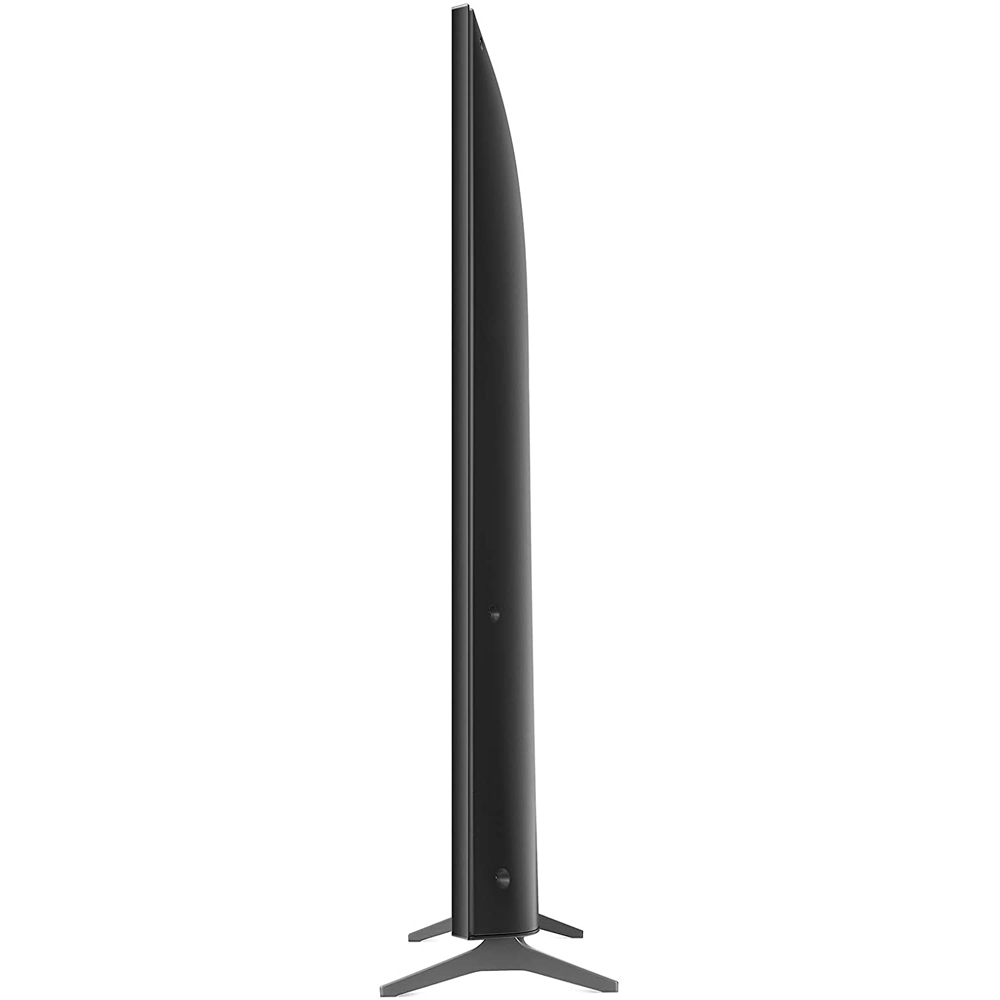
Television (TV), sometimes edited to tele or telly, is a telecommunication medium used for transmitting upsetting images in monochrome (black and white), or in color, and in two or three dimensions and sound. The term can forward to a television set, a television show, or the medium of television transmission. Television is a addition medium for advertising, entertainment, news, and sports.
Television became straightforward in sloppy experimental forms in the tardy 1920s, but it would still be several years previously the further technology would be marketed to consumers. After World achievement II, an augmented form of black-and-white TV broadcasting became popular in the allied Kingdom and associated States, and television sets became commonplace in homes, businesses, and institutions. During the 1950s, television was the primary medium for influencing public opinion. In the mid-1960s, color broadcasting was introduced in the US and most new developed countries. The availability of multipart types of archival storage media such as Betamax and VHS tapes, high-capacity hard disk drives, DVDs, flash drives, high-definition Blu-ray Discs, and cloud digital video recorders has enabled spectators to watch pre-recorded materialsuch as moviesat home on their own era schedule. For many reasons, especially the ease of understanding of snooty retrieval, the storage of television and video programming now occurs on the cloud (such as the video upon request foster by Netflix). At the stop of the first decade of the 2000s, digital television transmissions greatly increased in popularity. unorthodox enhancement was the move from standard-definition television (SDTV) (576i, with 576 interlaced lines of unqualified and 480i) to high-definition television (HDTV), which provides a utter that is substantially higher. HDTV may be transmitted in various formats: 1080p, 1080i and 720p. before 2010, later the invention of intellectual television, Internet television has increased the availability of television programs and movies via the Internet through streaming video services such as Netflix, Amazon Video, iPlayer and Hulu.
In 2013, 79% of the world's households owned a television set. The replacement of ahead of time bulky, high-voltage cathode ray tube (CRT) screen displays subsequent to compact, energy-efficient, flat-panel alternative technologies such as LCDs (both fluorescent-backlit and LED), OLED displays, and plasma displays was a hardware revolution that began next computer monitors in the tardy 1990s. Most TV sets sold in the 2000s were flat-panel, mainly LEDs. Major manufacturers announced the discontinuation of CRT, DLP, plasma, and even fluorescent-backlit LCDs by the mid-2010s. In the close future, LEDs are expected to be gradually replaced by OLEDs. Also, major manufacturers have announced that they will increasingly fabricate smart TVs in the mid-2010s. smart TVs once integrated Internet and Web 2.0 functions became the dominant form of television by the tardy 2010s.
Television signals were initially distributed and no-one else as terrestrial television using high-powered radio-frequency transmitters to make known the signal to individual television receivers. Alternatively television signals are distributed by coaxial cable or optical fiber, satellite systems and, since the 2000s via the Internet. Until the ahead of time 2000s, these were transmitted as analog signals, but a transition to digital television is usual to be completed worldwide by the tardy 2010s. A up to standard television set is composed of fused internal electronic circuits, including a tuner for receiving and decoding spread around signals. A visual display device which lacks a tuner is correctly called a video monitor rather than a television.
LG UHD 70 Series 65 inch 4K HDR Smart LED TV – Elite Home Store

55UJ6200 LG Electronics 55" 4K UHD HDR Smart LED TV - Jetson TV & Appliance

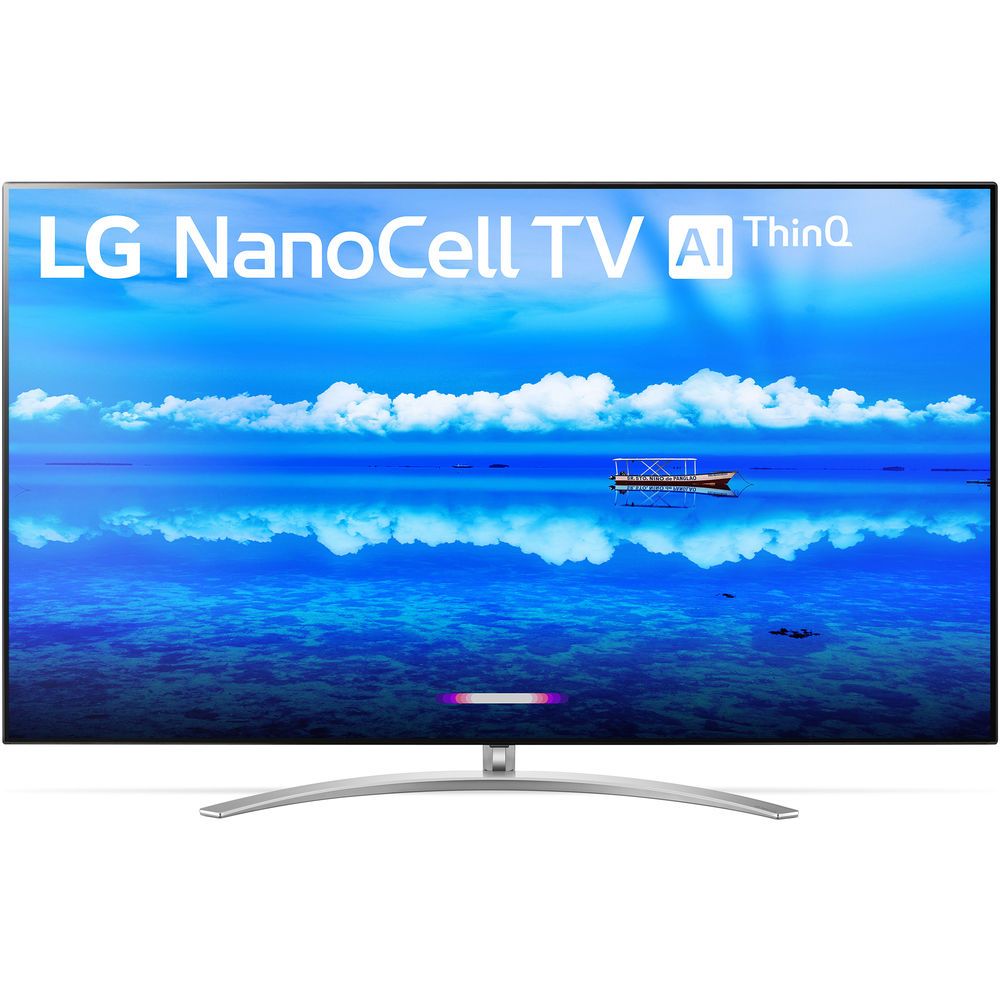
LG 65SM9500PUA 65" Class HDR 4K UHD Smart NanoCell IPS LED TV


No comments:
Post a Comment